Prep Time: 10 minutes
Cook Time: 8–10 minutes
Total Time: About 20 minutes
Servings: 2
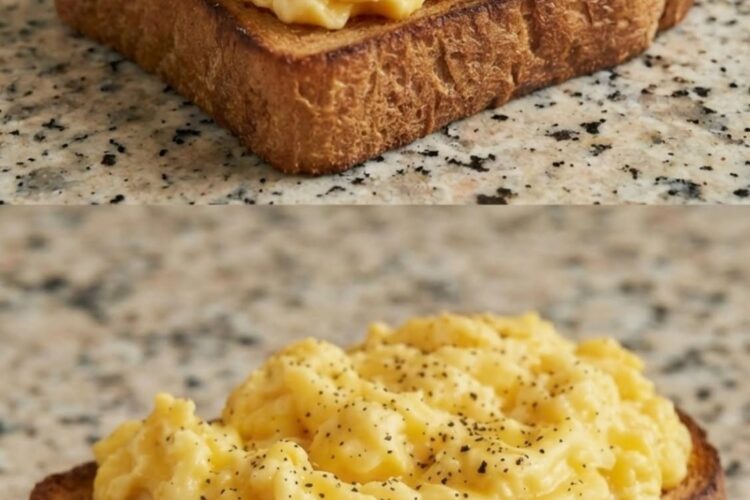
Creamy scrambled eggs are a simple way to turn a few everyday ingredients into a satisfying breakfast. The secret is not complicated: use gentle heat, stir slowly, and take the eggs off the stove before they become completely firm. This method produces soft, delicate curds with a naturally creamy texture without requiring complicated cooking techniques.
This recipe uses a modest amount of butter and optional cream for richness. You can also make it without cream and add fresh herbs, vegetables, or a little cheese according to your preference. Serve the eggs with whole-grain toast, avocado, tomatoes, sautéed mushrooms, or fresh fruit for a balanced breakfast.
1. Why These Scrambled Eggs Are Special
There is a big difference between quickly frying eggs over high heat and slowly cooking them over low heat. High temperatures can cause the egg proteins to tighten rapidly, which often results in dry, firm, or rubbery curds.
Gentle cooking gives you much more control. As the eggs warm gradually, they form small, tender curds while retaining moisture. The butter adds flavor and helps create a smooth mouthfeel.
This recipe is especially useful if you prefer scrambled eggs that are:
- Soft and tender
- Moist rather than dry
- Creamy and silky
- Rich without being overly heavy
- Quick enough for a weekday breakfast
- Easy enough for beginners
- Adaptable with different herbs and toppings
2. Ingredients
Main Ingredients
- 4 large eggs
- 2 tablespoons unsalted butter
- 2 tablespoons heavy cream, optional
- ¼ teaspoon fine salt
- ⅛ teaspoon freshly ground black pepper
- 1 teaspoon additional butter for finishing
Optional Ingredients
Choose one or several of these additions:
- 1 tablespoon cream cheese
- 1 tablespoon crème fraîche
- 1 tablespoon chopped fresh chives
- 1 tablespoon chopped parsley
- 1–2 tablespoons grated Parmesan
- 2 tablespoons shredded cheddar
- A small pinch of smoked paprika
- Sliced avocado for serving
- Sautéed mushrooms
- Roasted tomatoes
If you want a lighter version, simply leave out the cream and use a smaller amount of butter. The eggs can still become wonderfully soft when cooked correctly.
3. Prepare the Eggs
If possible, remove the eggs from the refrigerator about 10 minutes before cooking. Slightly warmer eggs can cook more evenly.
Crack all four eggs into a medium bowl. Check for any shell pieces, then add the salt.
Whisk the eggs with a fork or whisk until the yolks and whites are completely blended. Continue for roughly 30–60 seconds. You do not need to create a huge amount of foam, but the mixture should look uniform and slightly lighter.
If you are using heavy cream, add it after whisking the eggs and mix until combined.
Avoid adding large quantities of liquid. Too much cream or milk can make scrambled eggs watery and may interfere with the delicate texture you are trying to achieve.
4. Warm the Pan
Place a good-quality nonstick skillet over low heat.
Add the two tablespoons of butter and allow it to melt slowly. Move the pan gently if necessary so the butter coats the cooking surface.
The butter should melt without becoming brown. If it starts sizzling aggressively or changing color immediately, the pan is probably too hot.
Low heat is one of the most important parts of this recipe. It gives you time to control the texture instead of allowing the eggs to become firm before you are ready.
5. Begin Cooking
Pour the beaten eggs into the skillet.
Let them sit undisturbed for approximately 15 seconds. You should notice the edges beginning to become slightly thicker while the center remains liquid.
Using a silicone spatula, gently draw the eggs from the outside toward the center. Then pause briefly and repeat the movement from another direction.
Do not continuously beat the eggs as though you are making an omelet. Instead, use slow folding motions.
As the mixture cooks, larger soft curds will gradually appear. Continue moving the spatula gently through the eggs, making sure that uncooked liquid reaches the warm surface of the pan.
6. Control the Heat
If the eggs seem to be cooking too quickly, take the skillet away from the burner for 10–20 seconds.
You can continue folding the eggs while the pan cools slightly. Then return it to low heat.
This technique gives you better control than simply turning the burner up and down repeatedly.
Depending on your stove, skillet, and the amount of heat being used, the eggs may take approximately 5–10 minutes to reach the desired consistency.
The exact cooking time is less important than appearance.
Look for soft curds that are mostly formed but still shiny and moist. The eggs should not look dry.
7. Add the Finishing Butter
When the eggs are nearly ready, add the remaining teaspoon of butter.
Fold it gently through the eggs. The residual heat will melt the butter and give the finished dish a smooth, glossy appearance.
If you are using cream cheese or crème fraîche, this is also a good time to add it. Stir gently until just incorporated.
Do not continue cooking for a long time after adding these ingredients. The goal is to use the remaining heat to finish the eggs rather than continuing to cook them aggressively.
8. Remove the Eggs Before They Look Fully Done
This is an important step.
Take the skillet off the heat while the eggs are still slightly loose and glossy. Eggs retain heat after leaving the burner and will continue cooking for a short period.
If you wait until they look completely firm in the skillet, they may become overcooked by the time they reach your plate.
Immediately transfer the scrambled eggs to serving plates.
9. Season and Garnish
Taste the eggs and adjust the seasoning if necessary.
Freshly ground black pepper works especially well with the buttery flavor. Chopped chives or parsley can add freshness and color.
For a slightly more adventurous flavor, add a tiny pinch of smoked paprika. Parmesan can provide a salty, savory finish, while cheddar creates a richer and more indulgent version.
Use toppings moderately so they do not overpower the delicate flavor of the eggs.
10. Serving Ideas
Creamy scrambled eggs are extremely versatile. Serve them with:
- Whole-grain toast
- Sourdough bread
- English muffins
- Roasted tomatoes
- Sautéed mushrooms
- Fresh avocado
- Smoked salmon
- Grilled asparagus
- Breakfast potatoes
- Fresh fruit
- Turkey or chicken sausage
- A simple green salad
For a quick breakfast, place the eggs on toasted bread and top with chives and avocado. For brunch, serve them alongside roasted vegetables and fresh fruit.
11. Tips for the Best Texture
Use low heat. Gentle cooking prevents the eggs from becoming tough.
Stir slowly. Soft folding creates tender curds.
Do not overcook. Remove the eggs while they still have a slight gloss.
Use a nonstick pan. It makes slow cooking and gentle stirring much easier.
Serve immediately. Scrambled eggs are at their best straight from the pan.
Keep additions balanced. Excessive cream, cheese, or other liquids can change the consistency.
Control the pan temperature. If the eggs start setting rapidly, briefly remove the skillet from the heat.
12. Common Mistakes
Cooking at High Heat
High heat may seem faster, but it gives you less control and can produce firm, dry curds.
Waiting Until the Eggs Look Completely Cooked
The eggs will continue cooking from residual heat. Remove them slightly earlier than you think you should.
Stirring Too Fast
Rapid stirring can produce small, uneven pieces rather than soft, creamy curds.
Leaving the Eggs in the Pan
Even after turning off the burner, a hot skillet continues transferring heat to the eggs. Move them to plates promptly.
Adding Too Much Liquid
A small amount of cream can add richness, but excessive liquid may result in loose or watery eggs.
13. Easy Variations
For a herb version, fold chopped chives, parsley, or dill into the finished eggs.
For a cheesy version, add a small amount of grated cheddar, Parmesan, or cream cheese during the final stage.
For a vegetable breakfast, serve the eggs with sautéed spinach, mushrooms, tomatoes, or peppers.
For a Mediterranean-inspired plate, pair the eggs with tomatoes, cucumber, herbs, and toasted bread.
For an extra-rich version, add crème fraîche during the final minute and finish with freshly cracked pepper.
14. Storage and Reheating
Scrambled eggs are best eaten immediately because their texture gradually becomes firmer as they cool.
If you have leftovers, place them in a covered container and refrigerate them promptly. For best quality, use them within 24 hours.
To reheat, use low heat and warm them gently. Adding a small amount of butter can help restore some moisture.
Avoid very high heat because it can make previously cooked eggs tough and rubbery.
15. Approximate Nutrition
Nutrition varies according to the exact ingredients and portion sizes. Using the main recipe with butter and cream, one serving provides approximately:
- Calories: 280–300
- Protein: 14–16 g
- Fat: 23–25 g
- Carbohydrates: 2–3 g
- Sugar: About 1 g
- Fiber: 0 g
Adding cheese, toast, avocado, or other toppings will increase the nutritional values.
16. Final Recipe Instructions
- Let the eggs sit at room temperature for about 10 minutes if convenient.
- Crack 4 eggs into a bowl.
- Add ¼ teaspoon salt and whisk until smooth.
- Mix in 2 tablespoons of heavy cream if desired.
- Melt 2 tablespoons of butter in a nonstick skillet over low heat.
- Pour in the egg mixture.
- Wait approximately 15 seconds.
- Slowly push and fold the eggs toward the center using a spatula.
- Continue cooking gently until soft curds form.
- Reduce the heat further or briefly remove the pan from the burner if the eggs cook too quickly.
- When the eggs are glossy and nearly set, add 1 teaspoon of butter.
- Add cream cheese or crème fraîche if desired.
- Remove the skillet from the heat while the eggs are still slightly soft.
- Transfer immediately to plates.
- Finish with black pepper, chives, parsley, or another preferred garnish.
- Serve hot with toast, vegetables, avocado, or your favorite breakfast sides.
